
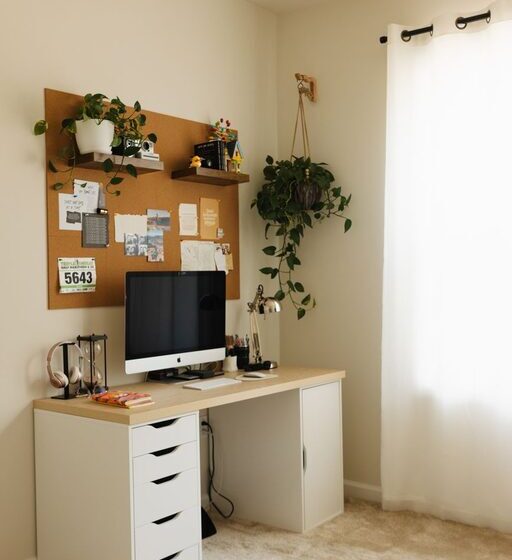

Creating a home workspace that combines comfort with functionality is essential in today’s flexible working world. Whether you work remotely, study, or manage household affairs from your desk, having a dedicated area that is inviting and efficient can make a big difference to your productivity and wellbeing.
In this post, we’ll explore practical tips and ideas to help you set up a workspace that feels cosy while supporting your daily tasks.
Choosing the Right Location
The first step is selecting the best spot for your workspace. Ideally, this should be a quiet area with minimal distractions. Common locations include:
– A spare bedroom or guest room
– A nook in the living room or bedroom
– A corner near a window for natural light
Try to avoid high-traffic areas where noise or interruptions are frequent. If space is limited, even a well-organised desk in a small corner can work wonders.
Maximising Comfort with Furniture
Comfort is key to maintaining focus and reducing strain during long periods of work. Consider these furniture tips:
Invest in an Ergonomic Chair
A supportive chair with adjustable height, lumbar support, and comfortable padding helps maintain good posture and prevents back pain.
Choose a Suitable Desk
Your desk should be the right height for you, allowing your arms to rest comfortably when typing or writing. If space allows, a desk with storage drawers can keep essentials close at hand.
Add Footrests or Cushions
If your feet don’t reach the floor comfortably, a footrest can help improve posture. Cushions can also add comfort to hard or less supportive seating.
Optimising Lighting for Productivity
Proper lighting affects both comfort and alertness.
– Natural Light: Position your desk near a window to benefit from daylight. Natural light reduces eye strain and boosts mood.
– Task Lighting: Use a desk lamp with adjustable brightness to illuminate your workspace clearly, especially for reading or detailed work.
– Avoid Glare: Place screens and lights carefully to prevent reflections that can cause discomfort.
Personalising Your Space to Feel Cosy
A workspace that feels inviting encourages you to spend time there and can improve your mindset.
– Add Plants: Indoor plants bring freshness and can improve air quality.
– Use Soft Textiles: A cosy rug, cushions, or a throw can make the area warmer and more relaxing.
– Display Personal Items: Photos, artwork, or meaningful objects add personality without causing clutter.
– Choose Soothing Colours: Calm, neutral tones or your favourite colours painted or added through accessories can create a welcoming atmosphere.
Organising for Efficiency
A tidy and well-organised workspace minimises distractions and saves time searching for items.
– Use Storage Solutions: Shelves, filing cabinets, and organisers keep papers and supplies neatly stored.
– Declutter Regularly: Regularly clear your desk to maintain order and focus.
– Cable Management: Use cable clips or ties to keep cords neat and prevent tangling.
Incorporating Technology Thoughtfully
Technology is a major part of most workspaces, but it should serve to make your tasks easier rather than more complicated.
– Choose the Right Equipment: Invest in a reliable computer, keyboard, and mouse suited to your needs.
– Use Headphones: Noise-cancelling headphones can help block out distractions in busier environments.
– Keep Devices Charged and Accessible: A charging station or dock can keep your devices organised and ready.
Establishing Boundaries and Routine
Lastly, creating a routine and boundaries helps define work time and personal time, which is vital when working from home.
– Set Work Hours: Decide on consistent times to start and stop working.
– Designate the Space for Work Only: Avoid activities unrelated to work in your workspace to strengthen the mental association.
– Take Breaks: Use your workspace setup to encourage regular breaks and movement.
—
Designing a cosy and functional home workspace requires attention to comfort, lighting, organisation, and personal touches. With thoughtful planning, you can create an environment that supports productivity while also being warm and inviting—turning your workdays into an enjoyable experience.