
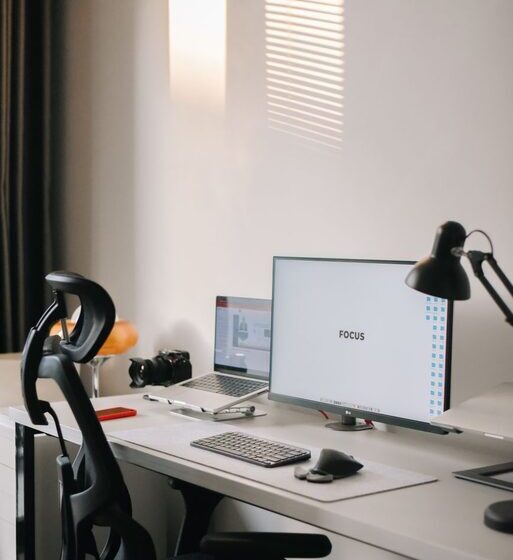

Creating a productive home office environment is essential for anyone working remotely or managing tasks from home. A well-designed workspace can improve focus, reduce stress, and help maintain a healthy work-life balance. Here are some practical tips to help you set up a home office that supports productivity and comfort.
Choose the Right Location
Consider natural light
Position your desk near a window if possible. Natural light can improve mood and energy levels, making your workday more pleasant. Avoid glare on your computer screen by using blinds or curtains.
Separate work from living areas
If space allows, dedicate a specific room or corner exclusively for work. This separation helps your brain associate the area with productivity and helps to switch off from work at the end of the day.
Invest in Comfortable Furniture
Ergonomic chair
Choose a chair that provides good lumbar support, adjustable height, and comfortable cushioning. Sitting correctly prevents back pain and improves concentration over long periods.
Desk size and height
A desk should be large enough to hold your computer, paperwork, and other essentials. The height should allow your forearms to rest comfortably when typing, with wrists straight to avoid strain.
Organise Your Workspace Efficiently
Declutter regularly
Keep your desk tidy by removing unnecessary items. A clutter-free environment can improve focus and reduce anxiety.
Storage solutions
Use shelves, drawers, or organisers to keep paperwork and supplies easily accessible but out of the way. Label files or boxes to find things quickly.
Cable management
Avoid tangled wires by using clips, ties, or cable organisers. This simple step makes your workspace look neat and prevents distractions.
Create a Distraction-Free Zone
Manage noise levels
If noise is an issue, try noise-cancelling headphones or soft background music. White noise machines can also help mask disruptive sounds.
Set boundaries with family or housemates
Communicate your working hours clearly to minimise interruptions. Use visual cues, such as a closed door or a sign, to indicate when you should not be disturbed.
Incorporate Elements That Boost Wellbeing
Add plants
Indoor plants can improve air quality and add a touch of nature, which has been shown to reduce stress and enhance mood.
Personalise your space
Include photos, art, or items that inspire you, but avoid overcrowding. A personal touch can make the space more welcoming and motivating.
Maintain good air quality
Ensure proper ventilation by opening windows regularly or using an air purifier. Fresh air helps keep you alert and healthy.
Use Technology Wisely
Reliable internet connection
A strong and stable internet connection is essential for smooth communication and access to online resources.
Appropriate tools and software
Use productivity apps and tools that suit your workflow, such as calendars, task managers, or video conferencing software, to stay organised and connected.
Backup and security
Regularly save your files and use security measures like antivirus software and strong passwords to protect your work.
Establish a Routine
Set specific working hours
Having a clear start and finish time helps create a boundary between work and personal life, improving overall wellbeing.
Take regular breaks
Short breaks every hour can boost concentration and reduce fatigue. Use techniques like the Pomodoro method to structure work and rest periods.
Plan your day
Start each morning by listing your tasks and prioritising them. A plan can help you stay focused and productive throughout the day.
Pay Attention to Lighting and Colour
Use adjustable lighting
Combine natural light with adjustable artificial lighting, such as desk lamps, to reduce eye strain and adapt to different times of the day.
Choose calming colours
Soft, neutral colours like light blues, greens, or greys can create a calming effect, while brighter accents can add energy to the space.
Maintain Good Posture and Movement
Position your screen correctly
Your computer screen should be at eye level to avoid neck strain. Use a monitor stand if needed.
Stand and stretch
Incorporate standing desks or take standing breaks during the day. Simple stretching exercises help reduce muscle stiffness and increase blood flow.
—
A productive home office combines thoughtful design, organisation, and healthy habits. By creating a comfortable and efficient workspace, you can enhance your focus, reduce stress, and make working from home a positive experience. Start with small changes and adjust your setup as you find what works best for you.