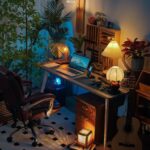
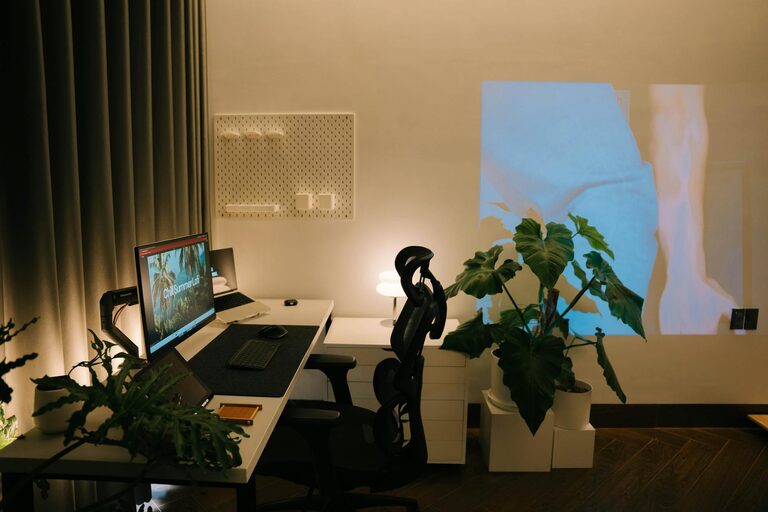

Creating a home workspace that is both relaxing and productive is essential for anyone working or studying from home. The right environment can enhance focus, reduce stress, and encourage creativity. If your workspace feels cluttered, dull, or uncomfortable, your work may suffer. This guide will help you transform your home workspace into a place where you feel calm and motivated.
Choosing the Right Location
Consider Natural Light
One of the most important factors for a pleasant workspace is access to natural light. Sit near a window if possible, as daylight can improve mood and energy levels. If natural light is limited, invest in good quality daylight bulbs to mimic sunlight.
Minimise Distractions
Pick a quiet area with minimal noise and foot traffic. Avoid high-traffic zones like the kitchen or living room if these tend to be busy. The more isolated your space, the easier it will be to focus.
Size and Layout
Make sure your workspace has enough room for your equipment and allows you to move comfortably. An overcrowded desk or cramped corner can add to stress and hinder productivity.
Furnishing Your Workspace
Choose Comfort over Style Alone
Invest in an ergonomic chair that supports your back and encourages good posture. A height-adjustable desk, allowing you to switch between sitting and standing, can also be beneficial.
Desk Organisation
Keep your desk tidy and organised. Use storage boxes, trays, or drawers to keep stationery, documents, and gadgets neatly out of sight when not in use. A clutter-free environment helps maintain focus.
Personal Touches
Adding a few personal items, like a favourite photo or plant, can make your space more welcoming without causing distractions.
Lighting and Ambience
Layered Lighting
Use a mix of lighting sources: overhead lamps for general lighting, desk lamps for focused tasks, and softer ambient lighting to create a calming atmosphere when working later in the day.
Colours That Calm
Choose calming colours such as soft blues, greens, or neutrals for your walls and accessories. These tones are known to reduce stress and improve concentration.
Organising Your Technology
Cable Management
Untangle and hide cables with clips or sleeves to keep your desk clear and reduce visual distraction.
Efficient Setup
Place your computer screen at eye level and about an arm’s length away to reduce strain. Use external keyboards and mice if working on a laptop for better ergonomics.
Minimise Notifications
Turn off unnecessary notifications or use apps that block distractions during focused work periods.
Building a Relaxing Routine
Use Breaks Wisely
Schedule short breaks to stretch, walk, or even meditate. These activities refresh your mind and reduce physical tension.
Incorporate Aromatherapy
Consider mild scents like lavender or eucalyptus through candles or diffusers to promote relaxation during work.
Background Sounds
If complete silence isn’t your preference, try instrumental music, white noise, or nature sounds to create a peaceful soundscape.
Staying Motivated and Productive
Set Clear Goals
Write down daily or weekly tasks and tick them off as you complete them. This simple act provides a sense of accomplishment.
Time Management Techniques
Try methods like the Pomodoro Technique, which involves working in focused bursts followed by breaks. This can improve concentration and prevent burnout.
Maintain Regular Hours
Stick to consistent start and finish times for work to create balance and prevent overworking.
Final Tips
– Ventilation is Key: Fresh air helps you stay alert, so open a window or use an air purifier when possible.
– Ergonomic Accessories: Consider wrist rests, footrests, or monitor stands to maintain comfort throughout the day.
– Keep Hydrated and Fuelled: Have water and healthy snacks nearby to maintain energy.
Transforming your home workspace into an area that supports both relaxation and productivity may take some effort, but the benefits are well worth it. With attention to lighting, comfort, organisation, and routine, you’ll be able to create a space where work feels less stressful and more enjoyable.